The effects of trauma
You may want help following an accident, assault, medical experience or another distressing event. You can begin by discussing the effect it is having on your life.
Difficult experiences can continue to affect how you feel, even long after they happened. You can ask for support without having to explain everything at once.
Explore therapists who offer support in this area, ask about their training and discuss a way of working that feels appropriate for you. Our team can help you consider your next step.
Online support across the UK · from £24 · Confirm suitability and availability before booking.
You may want help following an accident, assault, medical experience or another distressing event. You can begin by discussing the effect it is having on your life.
These conditions require an appropriate assessment and treatment plan. Ask about the practitioner’s specific experience, training and whether specialist treatment or a referral would be suitable.
Childhood or adult experiences of abuse may affect relationships, confidence and your sense of safety. An initial conversation can focus on what you need now and how you would like to be supported.
Talking can offer space to explore feelings and experiences. For PTSD, treatments include trauma-focused cognitive behavioural therapy (CBT) and eye movement desensitisation and reprocessing (EMDR).
These are specialist approaches requiring relevant training. Not every practitioner in this category offers them. Check the individual profile and ask about qualifications, experience and suitability before choosing a therapist.
Ask how your therapist works, what an assessment involves, how you can pause a session and what support is available between appointments. You can discuss confidentiality and its limits before deciding what to share.
If you think you may have PTSD, or symptoms are affecting daily life, speak with your GP about assessment and treatment options. You do not need a diagnosis to make an initial enquiry with us.
Explore the practitioners’ profiles, relevant training, approaches and current fees. Confirm their experience with your needs, the ages they work with and whether online sessions are appropriate for you.
9 therapists listed. Confirm suitability, session length and availability with your chosen provider.
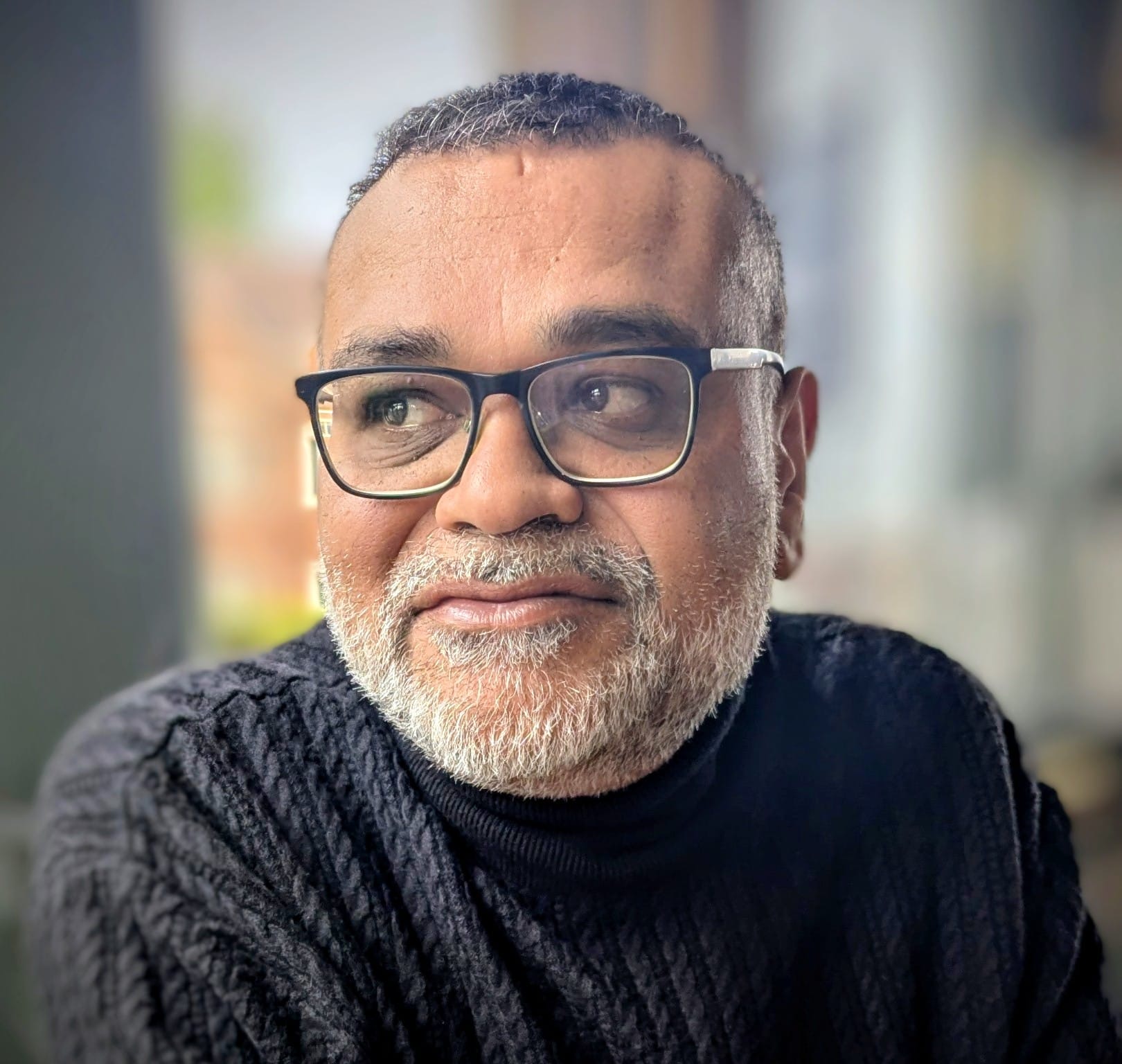
Person-Centred Counsellor
Explore difficult feelings and everyday pressures at a pace that suits you.
From £40
individual session

CBT-Informed Life Coach
Coaching support for emotional wellbeing, confidence and practical next steps.
From £40
individual session
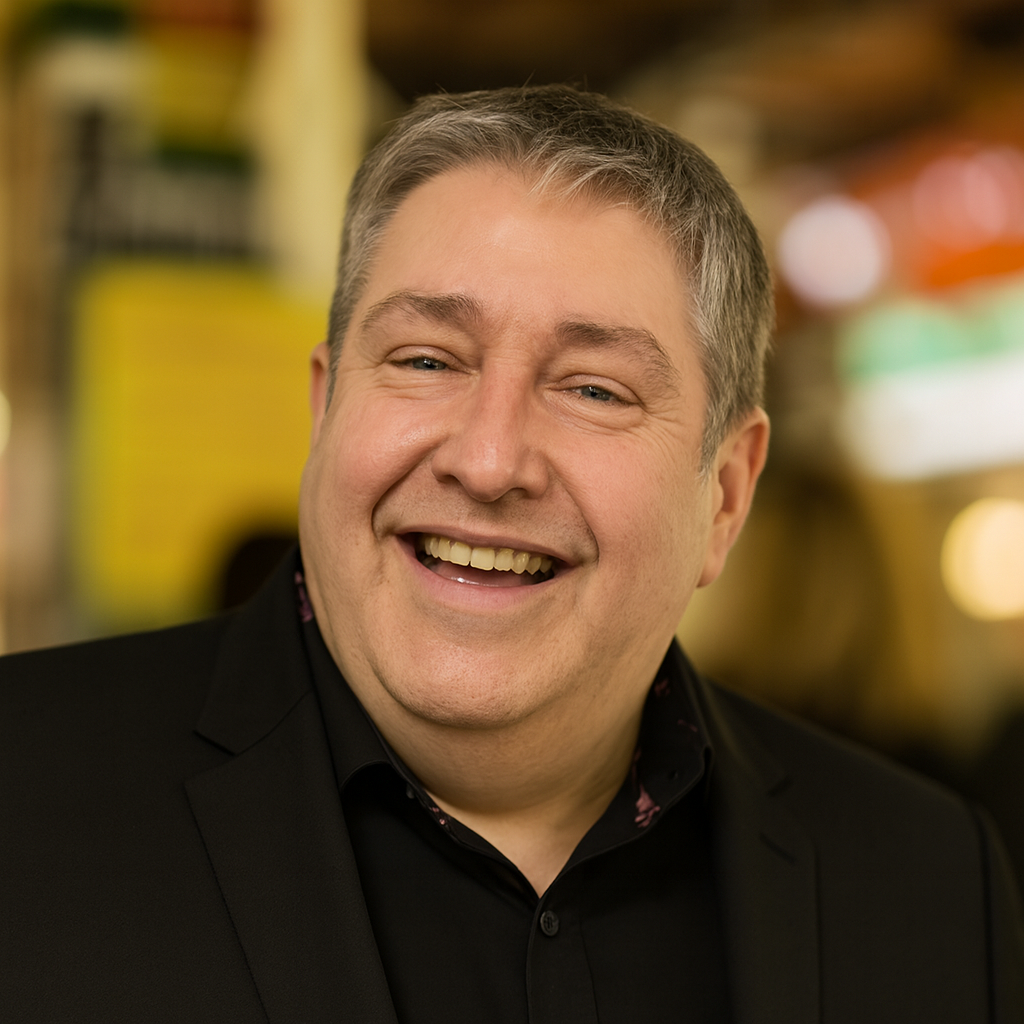
Counsellor
Counselling for anxiety, low mood and challenges affecting daily life.
From £24
30-minute session (£40 for one hour)

Counsellor
A supportive space for worry, low mood, stress and emotional overwhelm.
From £24
30-minute session (£40 for one hour)
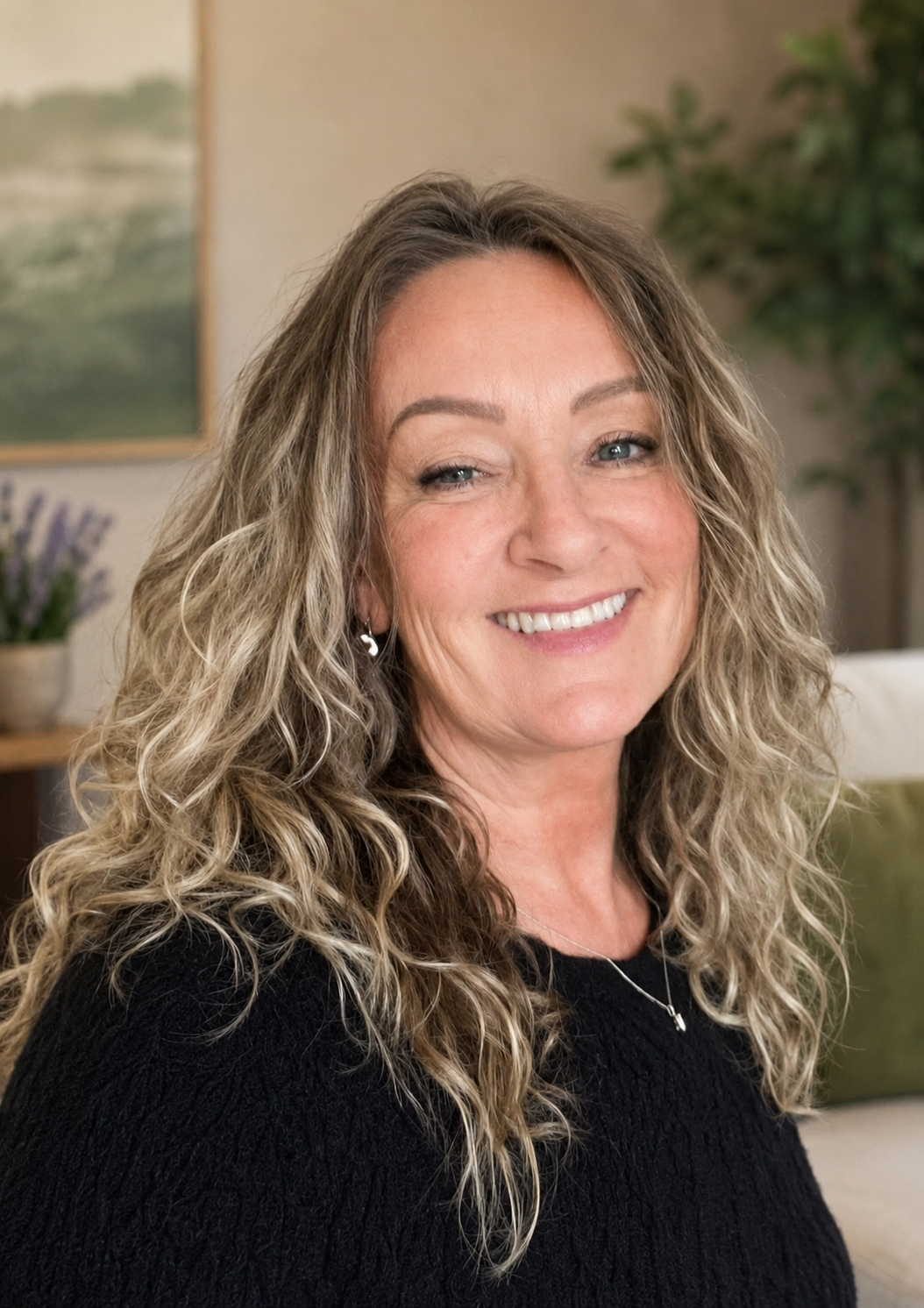
Humanistic, Trauma & EMDR Therapist
Space to explore anxiety, low mood and difficult experiences with support.
From £40
individual session

Psychotherapist & Hypnotherapist
An individual approach to exploring anxiety, low mood and emotional wellbeing.
From £48
individual session
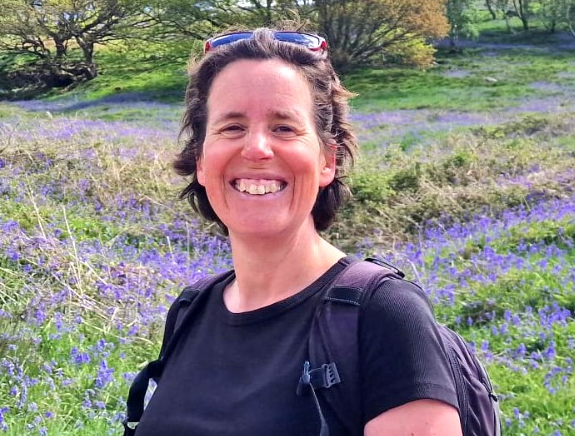
Person-Centred Counsellor
Warm, non-judgemental person-centred counselling to explore your thoughts and feelings and understand yourself better. Caroline welcomes people from all backgrounds, with understanding informed by her lived experience as a queer woman with ADHD.
From £40
individual session

CBT & Relationship Therapist
Support with anxiety, low mood and patterns that can feel hard to shift.
From £40
individual session
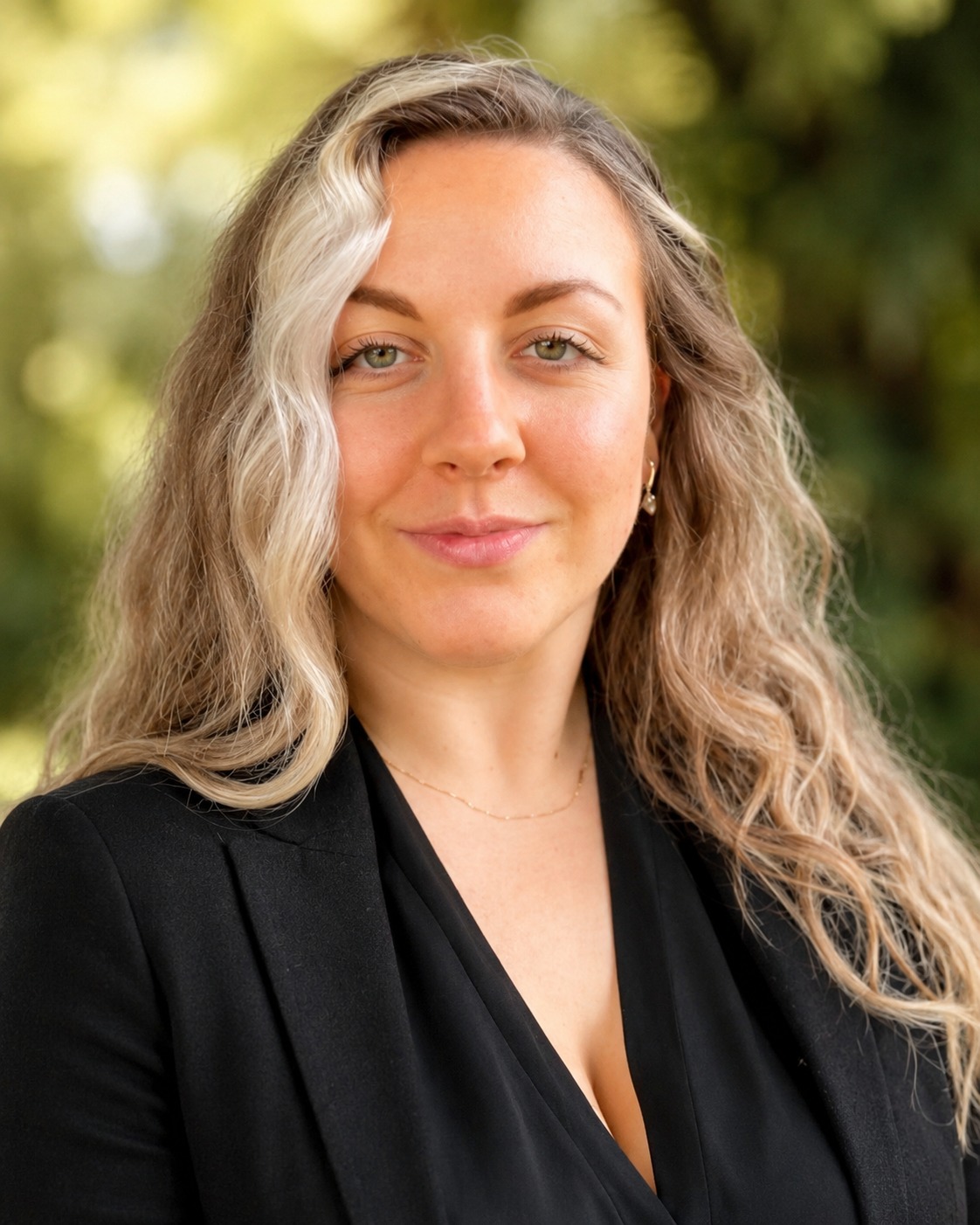
Integrative & Person-Centred Counsellor
Warm, person-centred support with anxiety, low mood, confidence, grief and life changes, shaped around your needs and pace.
From £40
individual session
You can start by discussing how you are affected and what you need from support. Ask the therapist how they approach assessment, pacing and consent. They should explain what any proposed treatment involves before you decide.
No. The category includes different kinds of support. EMDR and trauma-focused CBT require specific training. Check the practitioner’s profile and ask directly about the treatment you are seeking.
Yes. You can ask about support following a difficult experience without a diagnosis. If you think you may have PTSD, your GP can help arrange assessment and discuss suitable treatment options.
Currently listed individual fees are £24–£48. Specialist treatments, session lengths and fees vary by provider. Confirm the details before booking. Making an enquiry is free.
This depends on your needs, circumstances and the treatment you agree. Your therapist can discuss a plan and review progress with you. There is no single number of sessions that suits everyone.
Tell the team only what feels safe to share, and use a contact method where it is safe for us to reply. Counselling is not a replacement for immediate protection or specialist domestic abuse support. The NHS guidance linked below explains how to seek help.
You can ask for help choosing a practitioner without sharing detailed accounts of what happened.
Read the NHS information about PTSD and treatment options and getting help for domestic violence and abuse.
In England, eligible people can also self-refer to NHS Talking Therapies.
This enquiry form is not an urgent support service. If you need urgent mental health help, please use the NHS guidance on getting urgent help.
Tell us how you would like to be contacted. We can start by text or WhatsApp, or talk by phone about finding suitable trauma support and your next step.
You don’t need to explain everything here, or have a diagnosis. The short questions help us respond in a way that suits you.
Prefer to call? 0333 0347 403
Or email support@lavendertherapy.co.uk.
There is no charge to make an enquiry. Please keep personal details brief; you do not need to describe traumatic events in this form. Read our privacy policy.
Therapists’ services and qualifications vary. Check the individual profile before booking. This directory does not provide emergency support.