
Difficult feelings
You may feel frustrated, anxious, low or worn down by uncertainty. Sessions can offer time to explore these feelings and what support would be useful now.
Living with persistent pain can affect much more than your physical comfort. You may want space to talk about the frustration, uncertainty and changes it brings to everyday life.
Explore practitioners who offer support in this area and ask about their relevant experience. Counselling can focus on your emotional wellbeing alongside the medical care and pain support you receive.
Online support across the UK · from £40 · Confirm suitability and availability before booking.
You may feel frustrated, anxious, low or worn down by uncertainty. Sessions can offer time to explore these feelings and what support would be useful now.
Explaining pain and its effects to others can be difficult. You can discuss asking for help, expressing needs and navigating changes in relationships.
Changes in health may affect routines, work and your sense of self. You and your practitioner can explore what matters to you and goals that fit your circumstances.
Talking therapies may help with the emotional impact of pain and its effects on daily life. The focus can include coping, relationships and quality of life. They do not guarantee pain relief or a cure.
For chronic primary pain, NICE guidance includes considering CBT for pain or acceptance and commitment therapy (ACT), delivered by professionals with appropriate training. Ask whether your practitioner offers general counselling or a specific pain-focused approach.
Keep your GP or pain team involved in assessing and treating your pain. Counselling does not diagnose its cause, prescribe medication or replace medical care.
If you need more help managing pain, ask your GP about a specialist pain service. Tell your practitioner about other support you receive and discuss whether coordination would be useful.
Explore relevant experience, approaches and current fees. Check whether the practitioner offers the kind of support you need, the ages they work with and the practical arrangements for sessions.
4 therapists listed. Confirm suitability, session length and availability with your chosen provider.

Psychotherapist & Hypnotherapist
An individual approach to exploring anxiety, low mood and emotional wellbeing.
From £48
individual session

Support Therapist
Explore the support available for anxiety and low mood, and discuss an approach that suits you.
From £48
individual session

Psychologist
Personalised support with stress, anxiety, confidence, relationship challenges and performance concerns.
From £40
one-hour session
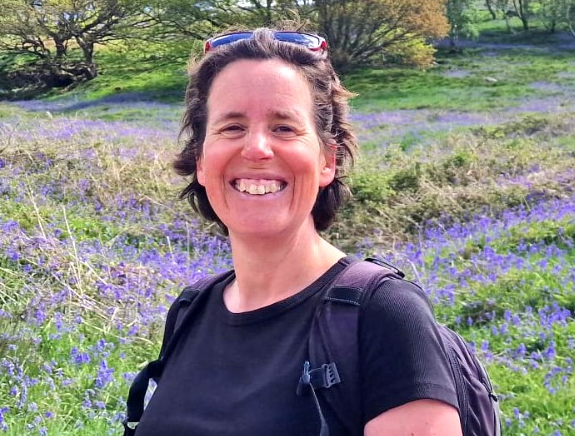
Person-Centred Counsellor
Warm, non-judgemental person-centred counselling to explore your thoughts and feelings and understand yourself better. Caroline welcomes people from all backgrounds, with understanding informed by her lived experience as a queer woman with ADHD.
From £40
individual session
No. Pain is real, and its causes and treatment should be assessed by appropriate healthcare professionals. Counselling can support you with the emotional and practical impact of living with it.
A cure or pain reduction cannot be promised. Talking support may help you explore how you cope, communicate your needs and work towards a better quality of life alongside appropriate healthcare.
No. Approaches and training vary. Check the profile and ask about specific pain-focused qualifications and experience. A category listing does not establish specialist training in every pain treatment.
Yes. Before booking, discuss session length, breaks, positioning, technology and any other needs that may affect your ability to take part. Agree what is practical with your chosen provider.
Currently listed individual fees are £40–£48. Fees and session lengths vary by practitioner. Confirm the details before booking; making an enquiry is free.
Yes. Discuss how any additional counselling fits with your healthcare and existing support. Medication and physical treatment decisions should remain with the relevant healthcare professionals.
You can discuss which concerns feel most important to work on.
Read the NHS information about getting help for pain and the NICE guidance on chronic pain assessment and management.
This enquiry form is not an urgent support service. Seek medical advice for new, changing or worsening symptoms. If you need urgent mental health help, please use the NHS guidance on getting urgent help.
Tell us how you would like to be contacted. We can start by text or WhatsApp, or talk by phone about living with chronic pain and finding suitable support.
You don’t need to explain everything here, or have a diagnosis. The short questions help us respond in a way that suits you.
Prefer to call? 0333 0347 403
Or email support@lavendertherapy.co.uk.
There is no charge to make an enquiry. Please keep personal details brief. Read our privacy policy.
Therapists’ services and qualifications vary. Check the individual profile before booking. This directory does not provide emergency support.